Unlike
caffeine and other artificial stimulants, B vitamins
don’t give you
that artificial jolt of energy, followed by an
inevitable letdown. Your
body uses B vitamins the way nature intended – to give
you sustained
stamina and mental clarity throughout the day, every
day.
Vitamin
B12
is
essential
for
the synthesis of the genetic material
in all your
cells and is required for normal cell growth and
devel-opment. It is
essential for energy production, since you cannot
metabolize
carbohydrates or burn fat without Vitamin B12. It is
also an important
part of your body’s process for converting homo-cysteine
to methionine,
thereby reducing homocysteine levels and supporting
cardiovascular
health. Like all of the B-Complex vitamins, Vitamin B12
is easily
depleted by stress and whether from food or a
supplement, is perhaps
the most complex and difficult to absorb of all
vitamins.
More
Interesting
Information
about
B12:
This
information was
taken
from a fact sheet developed by the Clinical
Nutrition Service, Warren
Grant
Magnuson Clinical Center, National Institutes of
Health (NIH),
Bethesda,
MD, in conjunction with the Office of Dietary
Supplements (ODS) in the
Office of the Director of NIH.
Who may need a vitamin
B12
supplement?
Individuals with
pernicious
anemia
Pernicious anemia is a form
of
anemia that
occurs when there is an absence of intrinsic factor,
a substance
normally
present in the stomach. Vitamin B12 binds with
intrinsic factor before
it is absorbed and used by your body. An absence of
intrinsic factor
prevents
normal absorption of B12 and results in pernicious
anemia.
Individuals with
gastrointestinal disorders
Individuals with stomach
and small
intestinal
disorders may not absorb enough vitamin B12 from
food to maintain
healthy
body stores. Sprue and celiac disease are intestinal
disorders caused
by
intolerance to protein in wheat and wheat products.
Regional enteritis,
localized inflammation of the stomach or small
intestine, also results
in generalized malabsorption of vitamin B12. Excess
bacteria in the
stomach
and small intestine also can decrease vitamin B12
absorption.
Surgical procedures of the
gastrointestinal
tract such as surgery to remove all or part of the
stomach often result
in a loss of cells that secrete stomach acid and
intrinsic factor.
Surgical
removal of the distal ileum, a section of the
intestines, also can
result
in the inability to absorb B12. Anyone who has had
either of these
surgeries
usually requires lifelong supplemental B12 to
prevent a deficiency.
Older Adults
Vitamin B12 must be
separated from
protein
in food before it can bind with intrinsic factor and
be absorbed by
your
body. Bacterial overgrowth in the stomach and/or
atrophic gastritis, an
inflammation of the stomach, contribute to vitamin
B12 deficiency in
adults
by limiting secretions of stomach acid needed to
separate vitamin B12
from
protein in food. 10 to 30 percent of older people
may be unable to
absorb
vitamin B12 in food.
Vegetarians
Vegetarians who do not eat
meats,
fish,
eggs, milk or milk products, or B12 fortified foods
consume no vitamin
B12 and are at high risk of developing a deficiency
of vitamin B12.
When
adults adopt a vegetarian diet, deficiency symptoms
can be slow to
appear
because it usually takes years to deplete normal
body stores of
B12.
However, severe symptoms of B12 deficiency, most
often featuring poor
neurological
development, can show up quickly in children and
breast-fed infants of
women who follow a strict vegetarian diet.
What is the
relationship
between vitamin
B12, homocysteine, and heart disease?
A deficiency of vitamin
B12, folate,
or
vitamin B6 may increase your blood level of
homocysteine, an amino acid
normally found in your blood. There is evidence that
an elevated blood
level of homocysteine is an independent risk factor
for heart disease
and
stroke. The evidence suggests that high levels of
homocysteine may
damage
coronary arteries or make it easier for blood
clotting cells called
platelets
to clump together and form a clot.
This
information was
taken
from a fact sheet developed by the Clinical
Nutrition Service, Warren
Grant
Magnuson Clinical Center, National Institutes of
Health (NIH),
Bethesda,
MD, in conjunction with the Office of Dietary
Supplements (ODS) in the
Office of the Director of NIH.
Only
$14.95
for 1 bottle (30 ct.) Order
yours today!
B-12,
B-6 and Folic Acid benefits:
Vitamin B12, or
cobalamin,
was isolated
form a liver extract in 1948 and identified as the
nutritional factor
in
liver that prevented pernicious anemia, a deadly
type of anemia
characterized
by large, immature red blood cells. Vitamin B12 is a
bright red
crystalline
compound because of its high content of cobalt.
Vitamin B12 works with
folic acid in many body processes, including the
synthesis of DNA, red
blood cells, and the insulation sheath (the myelin
sheath) that
surrounds
nerve cells and speeds the conduction of the signals
along nerve cells.
In order to absorb the small amounts of vitamin B12
found in food, the
stomach secretes intrinsic factor, a special
digestive secretion that
increases
the absorption of vitamin B12 in the small
intestine.
Vitamin B12
supplementation could
be appropriate
in many conditions, including AIDS, impaired mental
function in the
elderly,
asthma and sulfite sensitivity, depression, diabetic
neuropathy, low
sperm
counts, multiple sclerosis, and tinnitis.
Deficiency Signs and
Symptoms
Unlike other water-soluble
nutrients, vitamin
B12 is stored in the liver, kidney, and other body
tissues. As a
result,
signs and symptoms of vitamin B12 deficiency may not
show themselves
until
5 to 6 years of poor dietary intake. The classic
deficiency symptom of
vitamin B12 deficiency is pernicious anemia.
However, a deficiency of
vitamin
B12 actually affects the brain and nervous system
first.
A vitamin B12 deficiency
results
in impaired
nerve function, which can cause numbness,
pins-and-needles sensations,
or a burning feeling. It can also cause impaired
mental function that
in
the elderly mimics Alzheimer’s disease. Vitamin B12
deficiency is
thought
to be quite common in the elderly and is a major
cause of depression in
this age group.
In addition to anemia and
nervous
system
symptoms, a vitamin B12 deficiency can also result
in a smooth, beefy
red
tongue and diarrhea. This occurs because rapidly
reproducing cells such
as those that line the mouth and entire
gastrointestinal tract cannot
replicate
without vitamin B12.
Several investigators have
found
the level
of vitamin B12 declines with age and that vitamin
B12 deficiency is
found
in 3 to 42 percent of persons aged 65 and
over.
Researchers recently
studied 100
consecutive
geriatric outpatients who were seen in office-based
settings for
various
acute and chronic medical illnesses; none of these
outpatients
presented
symptoms of vitamin B12 deficiency-related diseases
like pernicious
anemia.
In this group, 11 patients had serum cobalamin
levels at 148 pmol/L
(picomole
per liter) or below, 30 patients had levels between
148 and 295 pmol/L,
and 59 patients had levels above 296 pmol/L. After
the initial
cobalamin
determination, the subjects were followed for up to
3 years. The
patients
with cobalamin levels below 148 pmol/L were treated
and were not
included
in the analysis of declining cobalamin levels. The
average annual serum
cobalamin level decline was 18 pmol/L for patients
who had higher
initial
serum cobalamin levels (actual range, from 224 to
292 pmol/L. For
patients
with lower initial cobalamin levels, the average
annual serum cobalamin
decline was much higher at 28 pmol/L.
These results indicate
that in
the elderly
the following screen tests for vitamin B12 have a
high cost-to-benefit
ratio.
* Level
of
vitamin B12
in the blood (serum cobalamin)
* Level
of
homocysteine
Correction of an
underlying
vitamin B12 deficiency
improves mental function and quality of life in
these patients quite
significantly.
Vitamin B6, also
known as
pyridoxine
is part of the B group vitamins and is water-soluble
and is required
for
both mental and physical health.
Vitamin B6 - pyridoxine -
has
been shown
effective for the balancing of hormonal changes in
women as well as
assisting
the immune system and the growth of new cells. It is
also used in the
processing
and metabolism of proteins, fats and carbohydrates,
while assisting
with
controlling mood as well as behavior. Pyridoxine
might also be of
benefit
for children with learning difficulties, as well as
assisting in the
prevention
of dandruff, eczema and psoriasis.
It assists in the
balancing of
sodium and
potassium as well as promotes red blood cell
production. It is
further
involved in the nucleic acids RNA as well as DNA. It
is further linked
to cancer immunity and fights the formation of the
toxic chemical
homocysteine,
which is detrimental to the heart muscle.
Women in particular may
suffer
from pre-menstrual
fluid retention, severe period pains, emotional PMS
symptoms,
premenstrual
acne and nausea in early pregnancy. Mood swings,
depression, as well as
loss of sexual drive is sometimes noted when
pyridoxine is in short
supply
and the person is on hormone replacement therapy or
on birth control
pills.
Deficiency of vitamin
B6
Irritability, nervousness
and
insomnia as
well as general weakness, skin changes such as
dermatitis and acne as
well
asthma and allergies might develop when pyridoxine
is in short supply.
Symptoms may include nails that are ridged, an
inflamed tongue as well
as changes to your bones - which can include
osteoporosis and
arthritis.
Kidney stones may also appear.
Vitamin B6 is needed by
the body
to manufacture
its own B3 vitamin.
Should you be taking
antidepressants,
contraceptive pills or be on hormone replacement
therapy you may need
more
of this vitamin. As this vitamin is readily lost in
the urine, it must
be taken regularly to ensure an adequate amount in
the body.
Anybody on a very high
protein
diet, using
alcohol, or allergic to MSG (mono sodium glutamate)
and/or tartrazine
may
also consider increasing their vitamin B6
intake.
Folic acid, also
known as
Vitamin
B9, is also referred to as folacin or folate and its
chemical name is
pteroylglutamic
acid.
Vitamin B9 - folic acid -
is
required for
Folic acid is required for
DNA
synthesis
and cell growth and is important for red blood cell
formation, energy
production
as well as the forming of amino acids. Folic acid is
essential for
creating
heme, the iron containing substance in hemoglobin,
crucial for oxygen
transport.
It is important for
healthy cell
division
and replication, since its involvement as coenzyme
for RNA and DNA
synthesis.
It is also required for protein metabolism and in
treating folic acid
anemia.
Folic acid also assists in digestion, and the
nervous system, and works
at improving mental as well as emotional health.
This nutrient may be
effective
in treating depression and anxiety.
Shortage of folic acid may
be
indicated with
diarrhea, heartburn and constipation.
Folic acid is very
important in
the development
of the nervous system of a developing fetus.
Deficiency of Folic
Acid
-vitamin B9
A deficiency of folic acid
on an
unborn baby
may increase the risk of the baby being born with
spina bifida and
other
serious defects of the nervous system.
When deficient of folic
acid, you
might suffer
from fatigue, acne, a sore tongue, cracking at the
corners of your
mouth
(same as deficiency of vitamin B2, vitamin B6 as
well as iron). Long
term
deficiency may result in anemia and later in
osteoporosis, as well as
cancer
of the bowel and cervix.
Best used with
Folic acid is more
effective when
taken with
vitamin B12 and vitamin B6. Vitamin C is also good
to have around folic
acid.
Pregnant women are
sometimes
advised to take
a small supplement of folic acid to help prevent
spina bifida and other
congenial nervous disorders, and may also assist to
reduce the risk of
toxemia in pregnancy, premature labor and
hemorrhaging. It is also
thought
to enhance the production of milk after delivery.
Sufferers of psoriasis may
consider taking
folic acid, people under stress or anyone consuming
alcohol.
Women on birth control
pills or
busy with
hormone replacement therapy may benefit from folic
acid.
Localized deficiencies of
folic
acid may
exist for smokers, as low levels have been detected
in the lungs of
smokers.
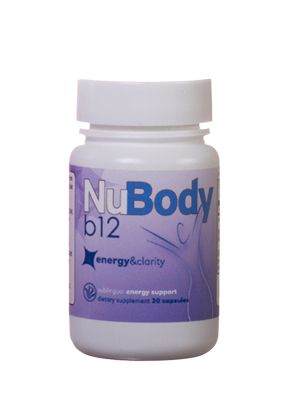 Only
$14.95
for 1 bottle (30 ct.) Order
yours today!
Only
$14.95
for 1 bottle (30 ct.) Order
yours today!
B12 ordering
information:
To get
more information or
to order,
just Click
here
Click on
products,
which will take you to our shopping
cart. Once there, you will see a product
search box, enter the name of the
product you are looking for [example: b12] and hit
enter on your
keyboard or you can use the Product
Search button on the site.
You will then be able to see
more
information and to order. Once you
add your product to the shopping cart and
choose checkout, you will be taken to a secure check
out page that will walk you
through the check out process. If
you have any problems ordering online or
just wish to order via phone, you can also
call our toll free order line
at 877-990-9951 and when
the representative comes on the line to
take your order, please give the ID
code: "jlwood" so we
receive credit for your order. We
do appreciate your interest in our
product.
These
statements
have not been
evaluated by the FDA. This information is for
educational purposes
only.
This
product is not
intended
to diagnose, treat, cure, or prevent any
diseases.
 One
of
the
most vital functions of Vitamin B12 relates to its role as
a methyl
(CH3) donor in many chemical reactions, which means that
it is
responsible for delivering one of the body’s most
fundamental molecular
units to facilitate your body’s basic biochemistry.
Vitamin B12 is also
essential for healthy immune system function, as well as
the synthesis
of hemoglobin, which is required to transport all oxygen
and CO2 in
your body.
One
of
the
most vital functions of Vitamin B12 relates to its role as
a methyl
(CH3) donor in many chemical reactions, which means that
it is
responsible for delivering one of the body’s most
fundamental molecular
units to facilitate your body’s basic biochemistry.
Vitamin B12 is also
essential for healthy immune system function, as well as
the synthesis
of hemoglobin, which is required to transport all oxygen
and CO2 in
your body.